AVCS BEGINS DIFFICULT BUDGET SEASON
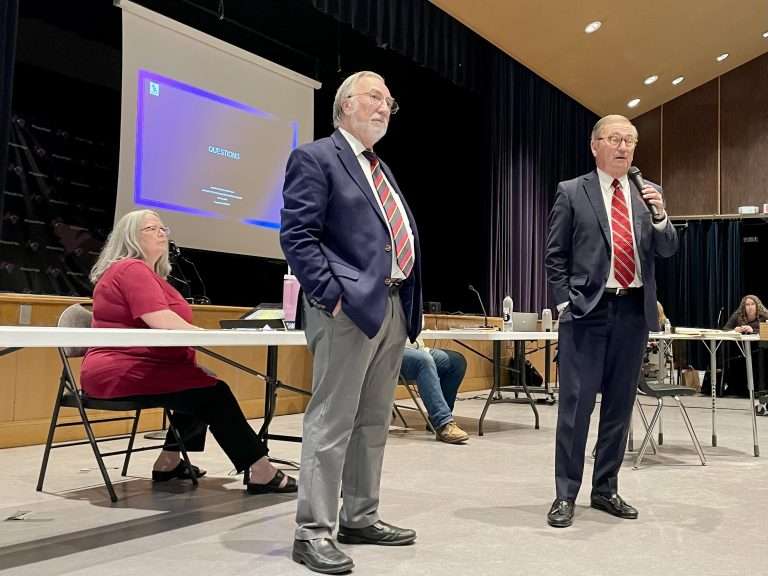
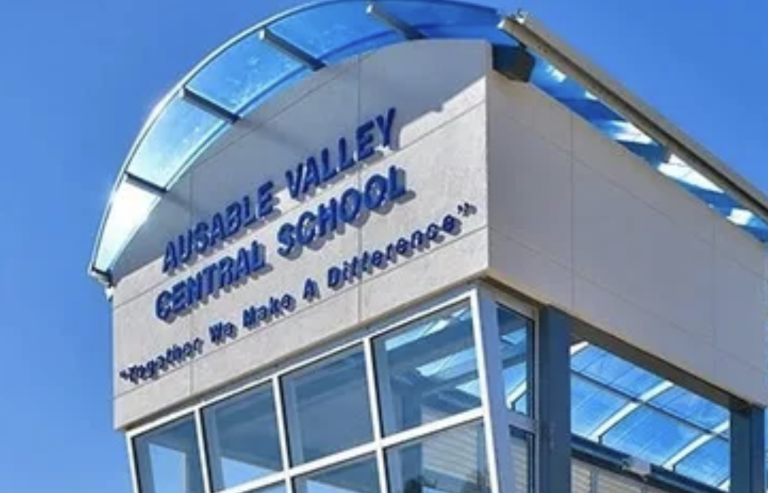
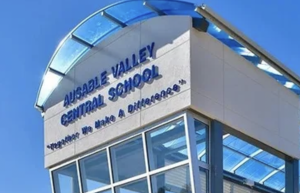
Board members of the AuSable Valley Central School District began dissecting next year’s budget at a Thursday evening workshop, looking for ways to both save and raise money in a deteriorating financial environment.
The board penciled in cost saving measures such as eliminating positions, reducing class sections and moving 6th graders to the Clintonville campus for the upcoming school year. The board also discussed breaking the 2% tax cap, an action that would require approval of 60% of district voters, rather than a simple majority.
The district’s uncommitted savings have dwindled to about $1.5 million, but using it would only “kick the can” to next year, with no structural improvement to the district’s financial condition, board members said.
 That condition has reached the point where breaking the cap by a percentage or two will not be enough to move the needle, said Superintendent Mike Francia. Something more along the lines of 10% would be needed, but board members were concerned how this would be viewed by the public, which is already suffering from electricity sticker shock and escalating property assessments.
When assessments rise, the tax rate goes down so bills (on average, but not universally) stay the same — but that’s a distinction voters don’t always realize.
The district has been hampered by the same inflationary and energy costs as residents, which have hit at a time of particular distress caused by declining enrollments, prodigious health costs, counterproductive state funding formulas and the expiration of Covid-era financial support.
State funding has dwindled to a 1% increase, because the state sees expensive vacation properties throughout the district as a sign the community is wealthy enough to raise money locally. But the board can’t raise taxes on these vacation homes without simultaneously punishing full-time residents who can’t afford to pay more.
So the board is trying to thread the needle by raising taxes enough to provide meaningful relief, but not so much as to be more than voters will tolerate. If a budget vote fails twice, the district would be relegated to an “austerity budget” that would threaten programming, as well as non-mandated activities such as athletics and arts.
The board is currently planning to cut $1.2 million in instructional costs, mostly through salaries and other costs associated with the elimination of 14 positions — some of which will be through attrition, but not all. It will save another $107,000 from noninstructional sources, such as vacating the administrative building in Clintonville.
But even with these savings, other costs are going up, including negotiated salary increases and contracts with the Boards of Cooperative Educational Services that provide career and technical instruction as well as special ed.
All told, the cuts amounted to $1.3 million, while the increases were $1.6 million. So next year’s budget gap is roughly the amount of the district’s fund balance, but bottoming-out the account solves nothing, because it would put the board in the same situation next year.
The district has appointed a facilities committee to find cost savings in the system — closing Au Sable Forks Elementary would be the most obvious cost savings, but that’s a last resort. “I know what these schools mean to their communities,” Francia said.
The committee’s report isn’t expected until later this year, and would have no impact in the short run. That leaves a tax hike as the best of a lot of bad options.
“We can’t keep doing this year after year,” Francia said. “If we have to reduce another $1 million, I don’t know where we’d even begin to cut.”
Francia urged the community to keep informed and welcomed the public’s participation. Budget workshops are open to the public, and the next one will be held at the Clintonville campus on March 11 at 6 p.m.