ROOST STUDY: HOUSING SHORTFALL AT ROOT OF ADK WORKFORCE STRUGGLES
Regional businesses are struggling to find and keep workers, and a new survey points to a familiar culprit: there simply isn’t enough housing for employees to live in the communities where they work.
The Regional Office of Sustainable Tourism released findings this month from its 2026 regional workforce survey, which gathered responses from 100 businesses across Essex and Hamilton counties in April. While the results confirmed pressures that employers have long complained about — seasonal labor shortages, wage competition, thin applicant pools — housing emerged as the defining obstacle underlying them all.
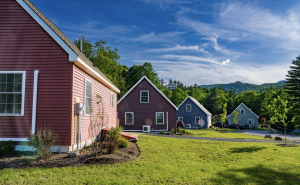 Four affordable homes recently completed by Adirondack Roots in Keene. Photo by Eric Teed
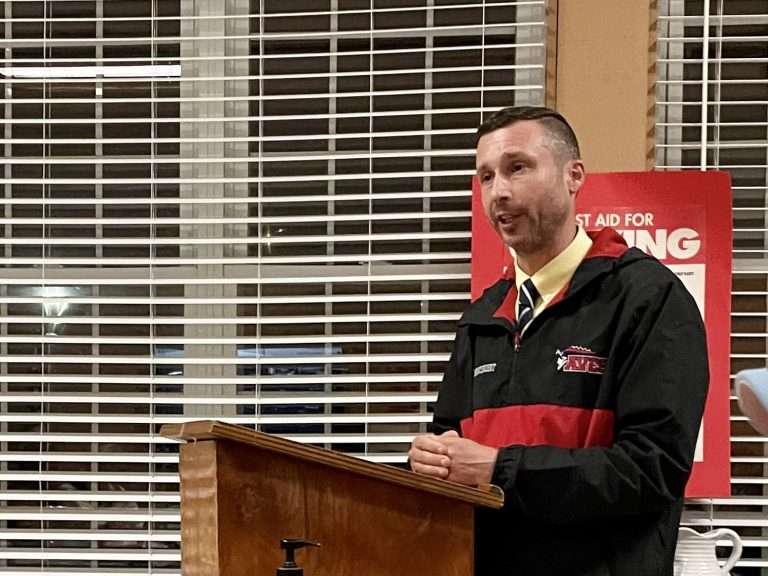
“If people cannot find a place to live, they cannot take a job, build a career, or become part of the community,” said Adam DeSantis, ROOST’s director of economic development. “Housing is central to the workforce conversation.”
That link between housing scarcity and workforce instability is not new to Adirondack employers, many of whom have watched promising hires walk away after failing to find an affordable place to live within reasonable distance of the job. But the survey provides what ROOST CEO Dan Kelleher called a “local benchmark” — data that can focus and justify action.
“Workforce challenges are interconnected,” Kelleher said. “Housing, year-round workforce retention, seasonal staffing, and support for seasonal work-authorized international workers are not separate issues. They all affect whether businesses can operate, whether workers can live here, and whether communities remain sustainable.”
To better understand the scope of the problem, ROOST has commissioned a regional housing study with Zimmerman Volk Associates. The study is informing conversations with municipalities, developers, employers, and community organizations about practical, locally grounded solutions. DeSantis said the goal is to build a stronger evidentiary foundation for decisions about where and how to add housing stock in communities that have seen little new residential development while tourism demand has continued to grow.
The workforce survey also highlighted the degree to which some businesses have turned to international workers to fill seasonal gaps. J-1 visa exchange students — typically college-aged visitors from abroad who work legally in the U.S. for a summer season — play a significant role in keeping hotels, restaurants, and resorts staffed during peak periods. ROOST hosted an orientation for incoming J-1 students on June 12, covering transportation, safety, community expectations, and available services.
The survey found that some employers may be interested in the J-1 program but don’t know how to access it. ROOST plans to hold an informational session for business owners who want to learn whether the program could help meet their seasonal staffing needs.
But officials are clear that seasonal workers are not a long-term fix for a structural housing problem. ROOST’s “Live Here” initiative targets year-round attraction and retention — trying to make the Adirondacks not just a place to visit or work a summer, but a place to actually settle down.
Until the housing stock catches up with that aspiration, employers across the region will likely keep struggling to answer a straightforward question with no easy answer: workers want the jobs, but where are they supposed to live?