VAPING A GROWING CONCERN IN ESSEX COUNTY
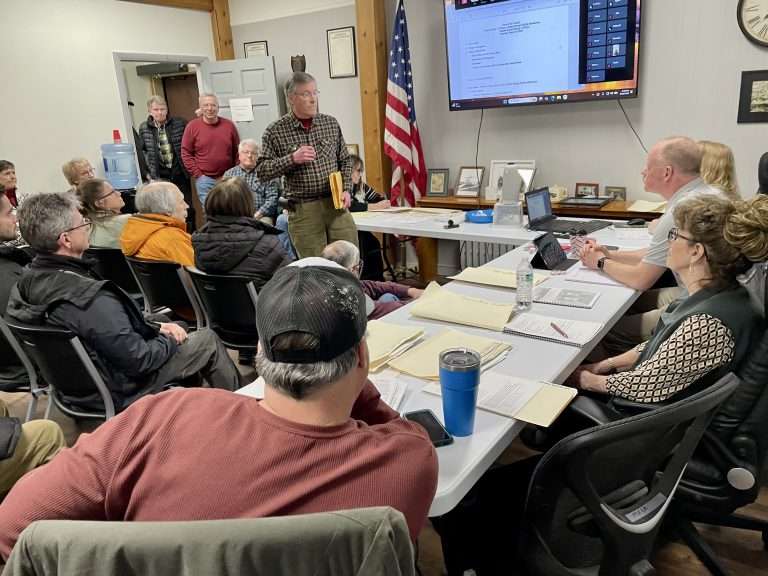
A rapidly shifting nicotine marketplace, driven by disposable vaping devices, is creating new public health, enforcement and environmental challenges across Essex County, according to a presentation to the Board of Supervisors at their April meeting.
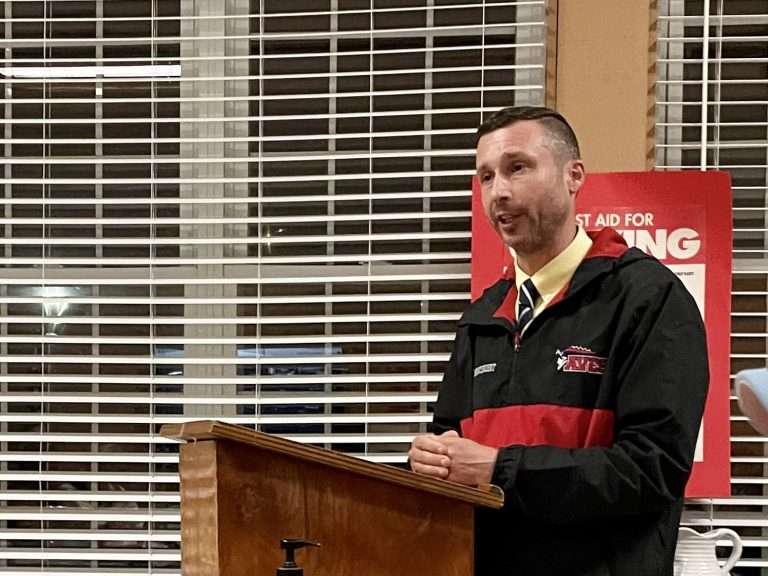
Emily Moosman, community engagement coordinator for the Commercial Tobacco Use Reduction Network (C-TURN), told supervisors that while traditional cigarette use has declined in recent years, it has been replaced by a surge in high-nicotine, single-use vape products that are inexpensive, heavily marketed and widely accessible.
“These products are designed for convenience and rapid consumption,” Moosman said. “Communities are experiencing a very different tobacco environment than even five years ago.”
C-TURN, which serves Essex, Clinton and Franklin counties, has collected roughly 150 vape devices from schools and communities in the region since January. Of the 118 confirmed to contain nicotine, none complied with New York State’s flavor restrictions, suggesting that a significant share of products are entering the market through illegal or unregulated channels.
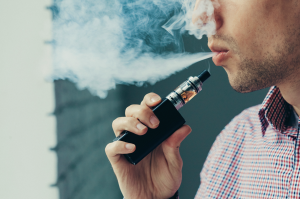 Moosman said the vast majority — more than 93 percent — of devices collected were disposable units, many containing extremely high levels of nicotine. In some cases, a single device can deliver nicotine equivalent to dozens, or even thousands, of traditional cigarettes.
“That represents a substantial shift in how nicotine products are manufactured, sold and consumed,” she said.
Supervisors also heard that Essex County has a relatively high density of tobacco retailers. For every major grocery store in the county, there are approximately six tobacco retail outlets — a ratio that research has linked to higher smoking rates, increased experimentation among youth and greater difficulty quitting.
Compounding the issue is how many of these products are sold. Moosman noted that illicit vape devices are often kept out of sight, behind counters or in back rooms, and are only made available upon request. Local enforcement agencies frequently lack the authority to search those storage areas, allowing illegal inventory to remain in circulation.
Adding to the complexity, manufacturers are introducing synthetic nicotine analogs — lab-created substances designed to mimic nicotine’s effects while sidestepping existing regulations.
Beyond public health concerns, Moosman emphasized that disposable vapes are emerging as a significant environmental problem. The devices contain lithium batteries, plastics and chemical residues that cannot be processed through standard municipal waste systems.
Nationally, an estimated 5.7 vape devices are discarded every second, she said, and there is currently no widely available, standardized method for disposal.
“When these vapes enter the waste system, they pose real risks, including fires at recycling facilities due to lithium batteries, as well as long-term environmental impacts from plastics and hazardous materials,” Moosman said.
Essex County, like many rural regions, lacks facilities capable of handling the mixed electronic and hazardous waste components, leaving municipalities and solid waste systems struggling to manage the growing volume.
Moosman said the New York State Department of Environmental Conservation is beginning to study the issue through a pilot program, though solutions remain in early stages. She also pointed to enforcement of existing laws, monitoring of online sales — particularly those targeting youth through social media — and potential extended producer responsibility (EPR) policies as areas for future action.
Essex Town Supervisor Ken Hughes of noted the broad scope of the problem and the challenges of coordinating responses across multiple levels of government.
“This is not just an Essex County problem,” Hughes said. “It’s a New York State issue and probably a United States issue.”
Moosman agreed, adding that while New York has taken steps to ban certain products, enforcement remains a key gap at the local level.
Supervisors also raised concerns about youth use and health impacts. While long-term effects of vaping are still being studied, Moosman said educators are focusing on known short-term impacts, including nicotine’s effects on brain development and mental health.
Elizabethtown Supervisor Cathleen Reusser said prevention efforts in local schools appear to be making a difference, citing positive feedback from parents in her district.
Board Chairman Steve McNally suggested that earlier tobacco control measures, such as raising the legal purchase age to 21, may have unintentionally pushed nicotine use out of public view and into less visible forms like vaping.
“We put it underground,” McNally said. “Now we’re chasing something we may never catch up to.”
Moosman stressed that her presentation was intended to inform, not prescribe policy, and encouraged county leaders to consider tools such as local tobacco retail licensing to better control product availability.
“We’re here as a resource,” she said. “This is an evolving issue, and collaboration will be key as communities respond.”
This story was sourced from Essex County Supervisors’ meeting transcripts, written by AI and edited by humans. Photo courtesy of Baylor College of Medicine.